Emergency Fund Simulator
Calculate your safety net, simulate job loss burn rates, and find out exactly when you'll be financially free.
Are You Safe?
Find out your survival timeline and get a specific date for financial freedom.
RECOMMENDED TARGET
$0
Survival Goal: 6 Months
SAFETY SCORE
---
Current Coverage: 0 Mo
Time to Freedom
At your current pace, you will be fully funded by:
Calculating...
Cash Burn Rate (If Job Loss Occurs)
Opportunity Cost 💡
Checking Account: $0/yr.
HYSA (4.5%): $0/yr.
Don't lose free money.
Estimates shown are based on standard U.S. financial guidelines and may vary.
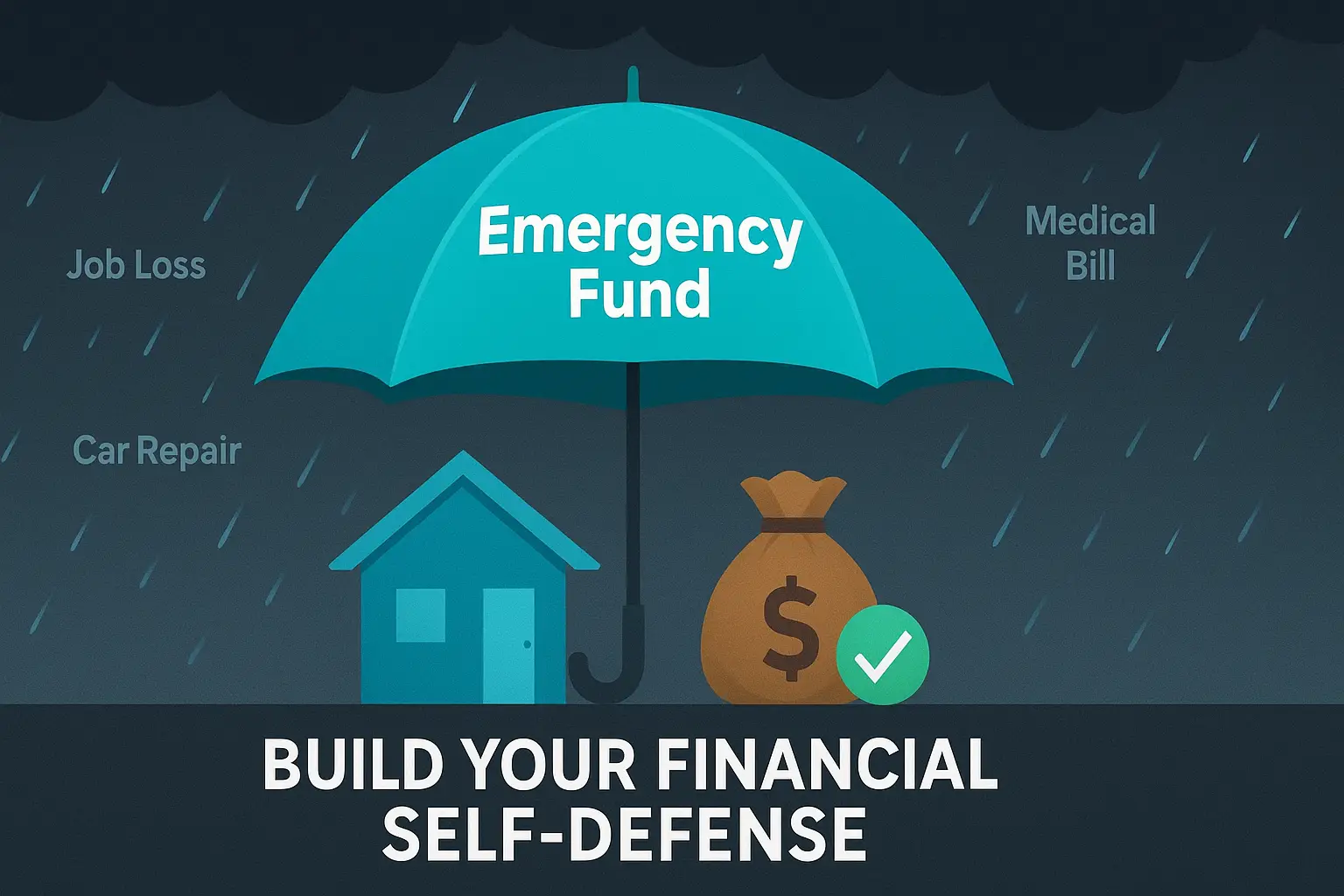
Emergency Funds in 2026: The Ultimate Safety Guide
In today's volatile economic climate, having a robust emergency fund is no longer optional—it's a necessity. With inflation impacting purchasing power and job market shifts, the traditional advice of saving "3 months of expenses" often falls short.
This guide will walk you through exactly how much you need, where to keep it, and how to build it fast without sacrificing your lifestyle.
Why the "3-Month Rule" is Outdated
For decades, financial gurus preached that 3 months of savings was enough. In 2026, data suggests otherwise:
- Job Search Duration: The average time to find a new job in a specialized field has increased to 4-5 months.
- Inflation Impact: Prices for essentials like rent and food are higher, meaning your old savings target might not cover the same bills today.
- Unexpected Costs: Medical deductibles and car repairs have seen sharp price increases.
Use our Inflation Calculator to see how much value your cash is losing if it's not invested properly.
Where to Park Your Emergency Cash?
The biggest mistake people make is leaving their emergency fund in a standard checking account earning 0.01% interest. This means you are losing money to inflation every single day.
The solution? A High-Yield Savings Account (HYSA).
- Interest Rates: HYSAs currently offer rates around 4.5% - 5.0% APY.
- Liquidity: Unlike a CD (Certificate of Deposit), you can withdraw money instantly without penalty.
- Safety: Ensure your bank is FDIC insured up to $250,000.
Check out our curated list of the Best High Yield Savings Accounts for 2026 to maximize your returns.
Strategies to Build Your Fund Fast
Starting from zero can be daunting. Here is a step-by-step plan:
- The $1,000 Starter Fund: Your first goal is just $1,000. This covers minor repairs and keeps you from using credit cards.
- The Debt Attack: Once you have $1,000, pause saving and attack high-interest debt using our Debt Payoff Planner.
- The Full Fund: After debt is gone, pour all extra income into your HYSA until you reach 6 months of expenses.
Need extra cash? Explore our guide on 21 Side Hustles for 2026 to boost your income.
Frequently Asked Questions
What is considered an essential expense? ↓
Essential expenses are needs, not wants. This includes Rent/Mortgage, Utilities (Electricity, Water, Internet), Groceries (not dining out), Insurance premiums, and Minimum debt payments. It does not include Netflix, vacations, or luxury shopping.
Should I invest my emergency fund? ↓
No. Do not put emergency funds in the stock market. If the market crashes at the same time you lose your job, you will be forced to sell at a loss. Keep it in a safe, FDIC-insured HYSA.
How do I calculate for a variable income? ↓
If you are a freelancer or commission-based earner, aim for a larger buffer—typically 9 to 12 months of expenses. Use your lowest earning month from the past year as your baseline budget.
Can I use a credit card as an emergency fund? ↓
This is risky. Credit cards charge high interest (20%+). If you lose your job and rely on credit, your debt will balloon rapidly. Cash is the only true safety net.
When should I use the fund? ↓
Only for unexpected, necessary events. Examples: Job loss, medical emergency, car repair needed for work, or emergency home repair (like a leaking roof). Do not use it for planned expenses like Christmas gifts or travel.
This tool is for informational purposes only and does not constitute financial advice.
Results are estimates based on user inputs and standard U.S. assumptions. Finance Smart USA is not a lender, broker, or financial advisor.
Useful Tools
Related 2026 Guides
Recommended for You
 SAVINGS
 DEBT FREE
 INCOME
21 Side Hustles for 2026
Need to fix your budget? The best defense is a good offense.
Start Earning →Financial Disclaimer
The results provided by this calculator are intended for illustrative purposes only and accuracy is not guaranteed. The figures shown are hypothetical and may not apply to your individual situation. FinanceSmartUSA is not a financial advisor, bank, or tax professional. Please consult with a qualified professional before making any financial decisions.